Incendie de forêt en Gironde, France
Poursuivre la lecture

Le 11 mars 2011, un tremblement de terre et un tsunami massifs ont frappé le Japon, causant de graves dommages à la centrale nucléaire de Fukushima Daiichi. Les systèmes de refroidissement de plusieurs réacteurs sont tombés en panne, entraînant une hausse des températures et un risque d'exposition des barres de combustible. La situation a dégénéré en la plus grave crise nucléaire depuis Tchernobyl.
In response, the Tokyo Fire Department launched a nuclear emergency operation to cool the No. 3 reactor, which contained highly toxic fuel. Firefighters used a high-tech unmanned fire truck to spray seawater from a height of 22 meters onto the reactor’s spent fuel pool, reducing direct radiation exposure to personnel.
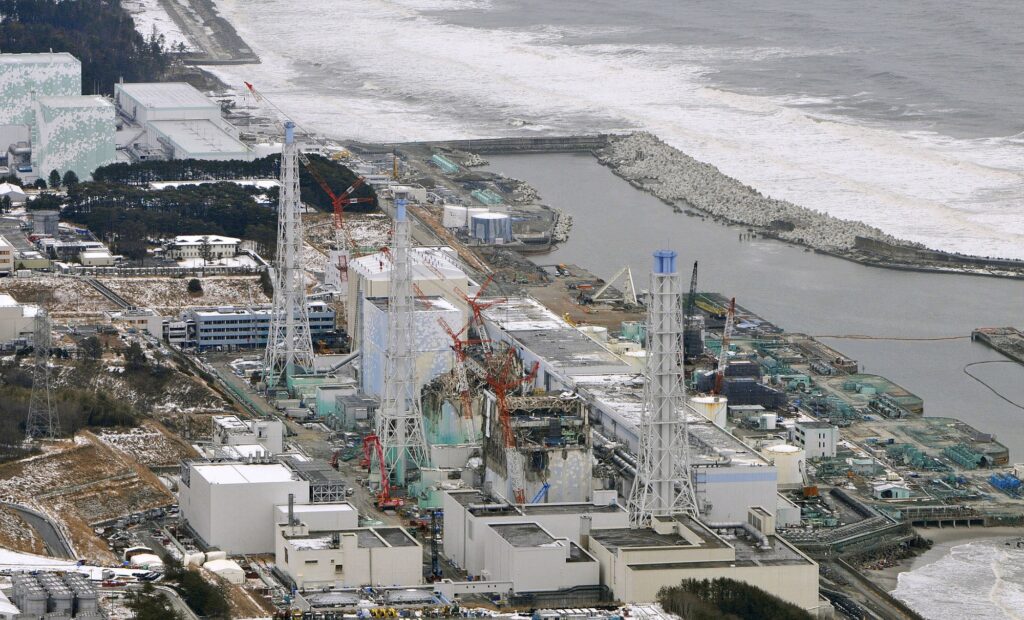
The fire truck was powered by a Hytrans mobile water system, which continuously pumped large volumes of seawater. The system supplied water at a rate of 3000 liters per minute over a seven-hour period, delivering a total of more than 1,260 tons of water. Thanks to the high capacity and flexibility of the Hytrans submersible pump and hose system, critical cooling was achieved, and explosions were prevented during a time when conventional infrastructure had been destroyed.
The Hytrans units were delivered to the Tokyo Fire Department several years earlier and proved to be of vital importance in this nuclear emergency situation.