Incendio forestal en Gironda, Francia
Seguir leyendo

El 11 de marzo de 2011, un gran terremoto y un tsunami sacudieron Japón, causando graves daños a la central nuclear de Fukushima Daiichi. Los sistemas de refrigeración de varios reactores fallaron, lo que provocó un aumento de las temperaturas y el riesgo de exposición de las barras de combustible. La situación se convirtió en la crisis de emergencia nuclear más grave desde Chernóbil.
In response, the Tokyo Fire Department launched a nuclear emergency operation to cool the No. 3 reactor, which contained highly toxic fuel. Firefighters used a high-tech unmanned fire truck to spray seawater from a height of 22 meters onto the reactor’s spent fuel pool, reducing direct radiation exposure to personnel.
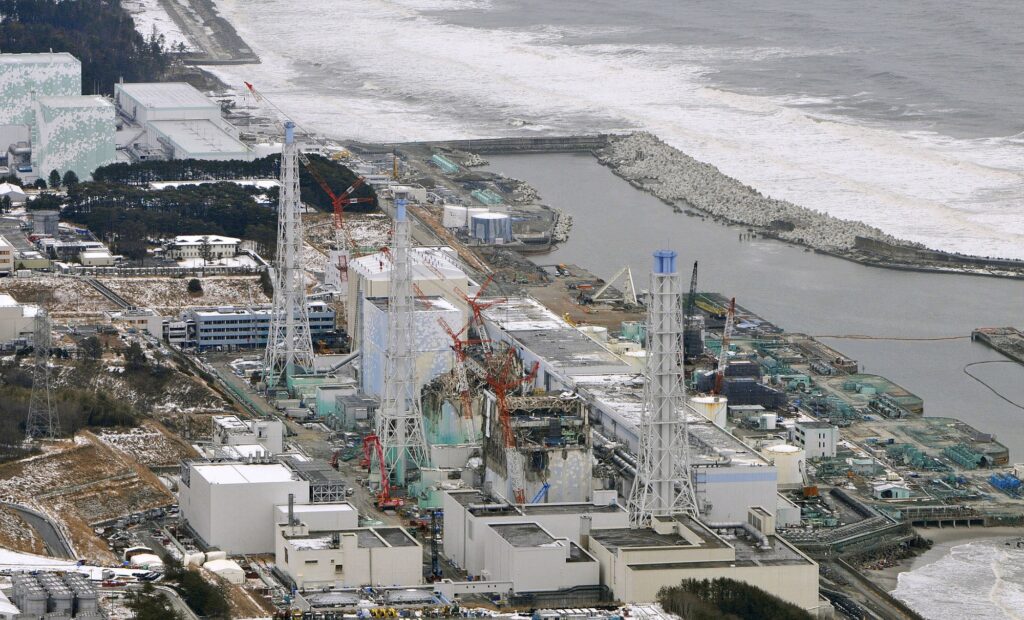
The fire truck was powered by a Hytrans mobile water system, which continuously pumped large volumes of seawater. The system supplied water at a rate of 3000 liters per minute over a seven-hour period, delivering a total of more than 1,260 tons of water. Thanks to the high capacity and flexibility of the Hytrans submersible pump and hose system, critical cooling was achieved, and explosions were prevented during a time when conventional infrastructure had been destroyed.
The Hytrans units were delivered to the Tokyo Fire Department several years earlier and proved to be of vital importance in this nuclear emergency situation.